
Wildflower meadow planting is becoming one of the most sought-after features in contemporary garden design. Combining natural beauty with biodiversity, a wildflower meadow garden offers a softer, more dynamic alternative to traditional lawn. Meadow planting allows gardens to feel more connected to the surrounding landscape while creating outdoor spaces that evolve naturally throughout the seasons. Unlike conventional grass, a meadow changes continuously through the year. Flowers emerge and fade, grasses move in the breeze, and pollinators bring constant life to the landscape. The result is a garden that feels vibrant, natural and ecologically rich.
For homeowners who value sustainability and thoughtful design, a wildflower meadow can transform an ordinary garden into something highly engaging – a living landscape that changes throughout the year. Over many years, we have designed and created meadow landscapes across the Chilterns and surrounding countryside. Our work is shaped by experience, horticultural expertise and a deep appreciation for natural planting. With careful planning and skilled craftsmanship, underused lawns can be transformed into bespoke spaces rich in detail and character.
Wildflower meadow garden: key takeaways
A wildflower meadow combines flowering plants and grasses to create a biodiverse landscape.
- Meadows provide seasonal colour, movement and valuable habitat for pollinators.
- Wildflower turf creates instant results, while seeded meadows take longer to establish.
- Most wildflower meadows require just one or two cuts each year once established.
- Even small meadow areas can transform a garden when thoughtfully designed.
What Is a wildflower meadow?
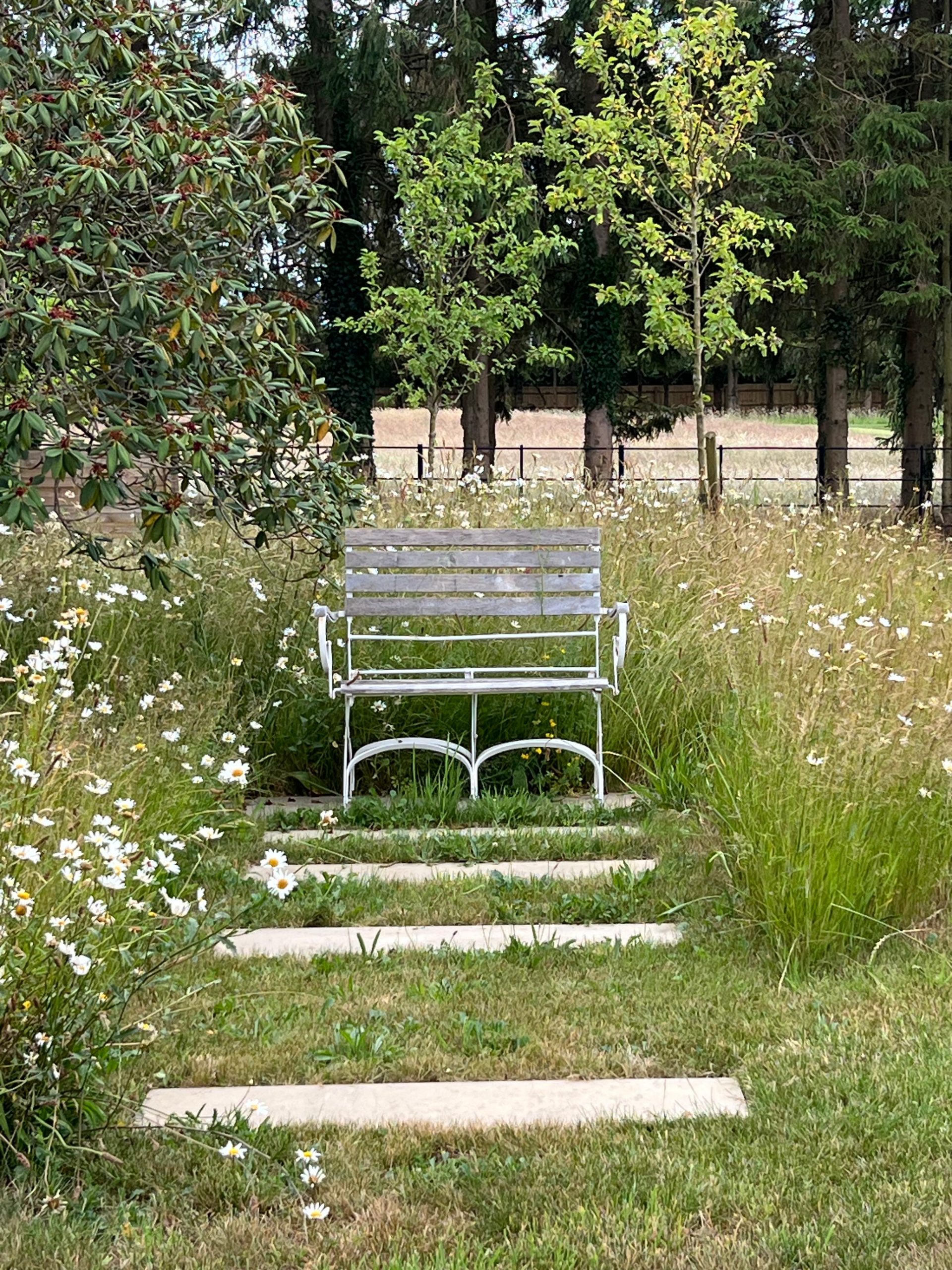 A wildflower meadow is a planting scheme designed to replicate the biodiversity and structure of traditional grassland habitats.
Wildflower meadows were once a common feature of the British countryside before modern agricultural intensification. Today, many garden designers are reintroducing meadow planting into residential landscapes as a way to restore biodiversity while creating visually softer gardens that reflect the character of the surrounding environment.
Typically, a meadow includes:
- A mixture of flowering plants
- Meadow grasses that provide structure
- Species that bloom at different times throughout the year
Together these create a balanced ecosystem that supports bees, butterflies and other beneficial insects.
In modern garden design, wildflower meadow areas are often carefully integrated with terraces, pathways and structured planting schemes so that the garden feels both natural and intentionally designed.
Wildflower turf vs Seeded wildflower meadow
When creating a wildflower meadow garden, there are two main ways to establish planting: sowing seed or installing wildflower turf. Both methods can produce beautiful results, but they suit different projects.
Wildflower turf
Wildflower turf is pre-grown and delivered as a ready-to-install living mat, much like traditional lawn turf.
It offers several advantages:
- Immediate meadow appearance
- Reliable plant coverage
- Carefully balanced plant mixes
- Faster establishment
For many clients investing in a professionally designed garden, wildflower turf provides the most predictable and visually satisfying results from day one.
Seeded wildflower meadow
A seeded meadow is established by sowing wildflower seed onto prepared soil. This approach can be more cost-effective, particularly for larger landscapes, and offers flexibility in plant selection. However, seeded meadows require patience. It can take two to three years before the planting reaches its full character and density. During the early stages, grasses and weeds need careful management to allow the wildflowers to establish successfully.
What ‘wildflower’ really means
A common misconception is that a wildflower meadow in the UK must contain only native species. While native plants can reflect the character of the local landscape and support established ecosystems, the term wildflower simply refers to plants that grow naturally in the wild.
In practice, carefully chosen naturalised or non-native species can be extremely valuable. They often:
- Extend the flowering season
- Add greater colour diversity
- Provide additional nectar and pollen for pollinators
The most successful meadows often combine both native and naturalised plants, creating planting schemes that are visually rich while still supporting biodiversity. Selecting the right balance requires horticultural knowledge and careful consideration of soil conditions, sunlight and moisture levels.
How wildflower meadows enhance garden design
Beyond biodiversity, wildflower meadows offer powerful visual and spatial benefits within a garden. When thoughtfully integrated into a wider landscape design, meadow planting can:
- Soften the edges of terraces and paths
- Frame more structured planting areas
- Create contrast with architectural landscaping
- Introduce movement and seasonal texture
One key consideration is the geometry of the space. Whether you choose clean linear lines or gentle curves, the shape of a wildflower area is just as important as the plants within it. A carefully considered shape helps define the space, making it feel purposeful rather than haphazard. This geometry can be emphasized with subtle edging materials such as flush metal or timber, which create a crisp boundary while still blending naturally with the wild aesthetic.
The reason geometry matters in wildflower meadows is that it helps maintain balance and harmony within the overall garden. Without thoughtful structure, a wildflower space can easily feel uncared for or even ‘scruffy’, undermining the intended beauty of a naturalistic design. A defined shape brings a sense of order and intentionality to the space, enhancing the wellbeing of those who use it and making it feel like an integral part of the garden.
This principle extends to the layout of pathways and focal points. Just as you would in any other garden space, it’s important to avoid dead ends. Thoughtful routes, and carefully placed focal points, ensure the space flows seamlessly, encouraging exploration and engagement. In this way, the wildflower meadow becomes not just a plant collection, but a meaningful, designed feature that integrates naturally into the garden’s larger narrative.
Because different plants flower at different times, a meadow becomes a dynamic feature that evolves through the year, bringing new colour and character to the garden from spring through autumn. This sense of seasonal change is one of the reasons wildflower meadows are increasingly popular in high-quality residential garden design.
Wildflower meadow areas – big or small?
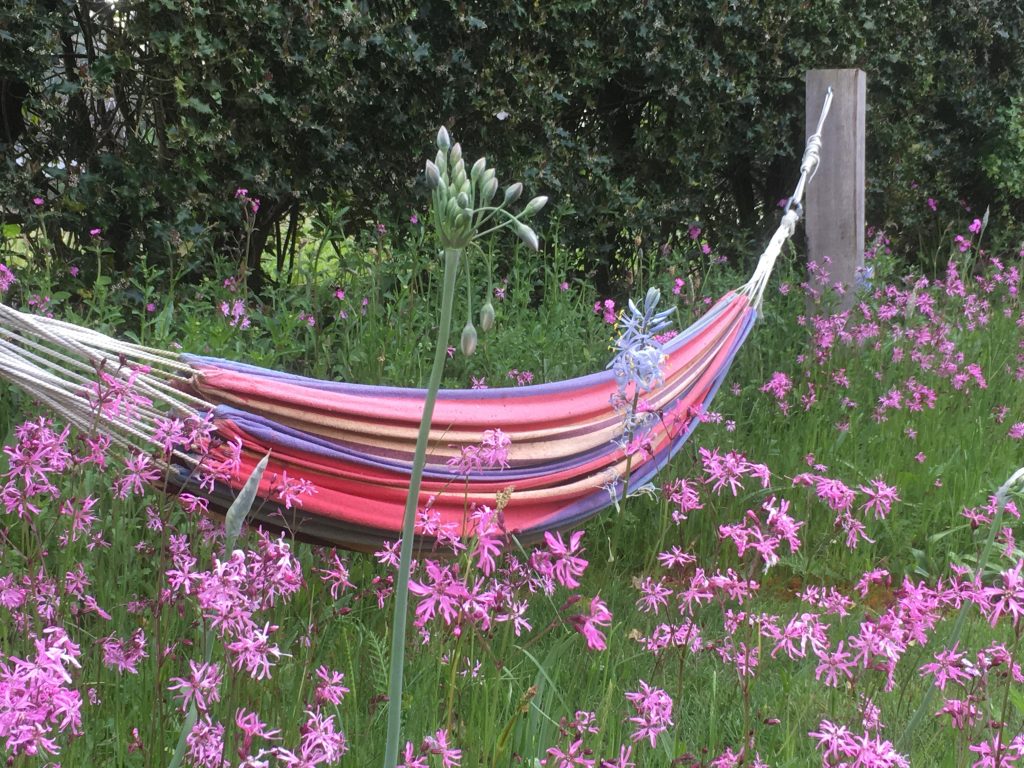
A wildflower meadow does not need to dominate the entire garden to make an impact. Even relatively small meadow areas can introduce seasonal colour and biodiversity.
Common design approaches include:
- Meadow borders along garden edges
- Feature meadow beds within planting schemes
- Naturalistic planting around trees
- Meadow patches replacing sections of lawn
These smaller areas work particularly well in gardens where structured design elements are balanced with more natural planting.
Wildflower meadow maintenance
Wildflower meadows are often described as low-maintenance, and compared with traditional lawns, this is certainly true. However, they are not completely maintenance-free. Most meadows benefit from:
- One main cut in late summer or early autumn
- Occasionally a second cut in spring
- Removal of cuttings to keep soil fertility low
Wildflower turf generally requires less early intervention because the plants are already established and weeds are naturally suppressed. Once established, a meadow becomes a relatively stable ecosystem that requires far less routine care than conventional lawns.
That said, it’s important to note that there’s another low-maintenance option to consider: a low-mow, species-diverse lawn. This approach – sometimes overlooked in discussions about wildflower meadows – can be a great alternative. Like wildflower meadows, a low-mow lawn fosters biodiversity by incorporating a range of grasses and plants that thrive in a less-frequent mowing regime. It provides a natural, softer green space while still offering some of the environmental benefits, such as supporting pollinators and small wildlife.
A low-mow, species-diverse lawn requires less frequent mowing compared to traditional grass lawns and doesn’t require the same upkeep as a fully established wildflower meadow. For those who want a more eco-friendly alternative to the classic lawn but prefer to keep the space somewhat uniform and grassy, this can be a great option. It combines the benefits of a wildflower meadow with the practicality of a lawn, offering a balanced, sustainable solution with minimal maintenance.
Is a wildflower meadow right for your garden?
A wildflower meadow garden could be an excellent choice if you are looking for:
- A natural alternative to traditional lawn
- A garden that supports pollinators and biodiversity
- Seasonal colour and visual interest
- A more sustainable landscape
When carefully designed, a wildflower meadow becomes far more than a planting feature. It becomes a living landscape that evolves and improves year after year.
Considering a wildflower meadow?
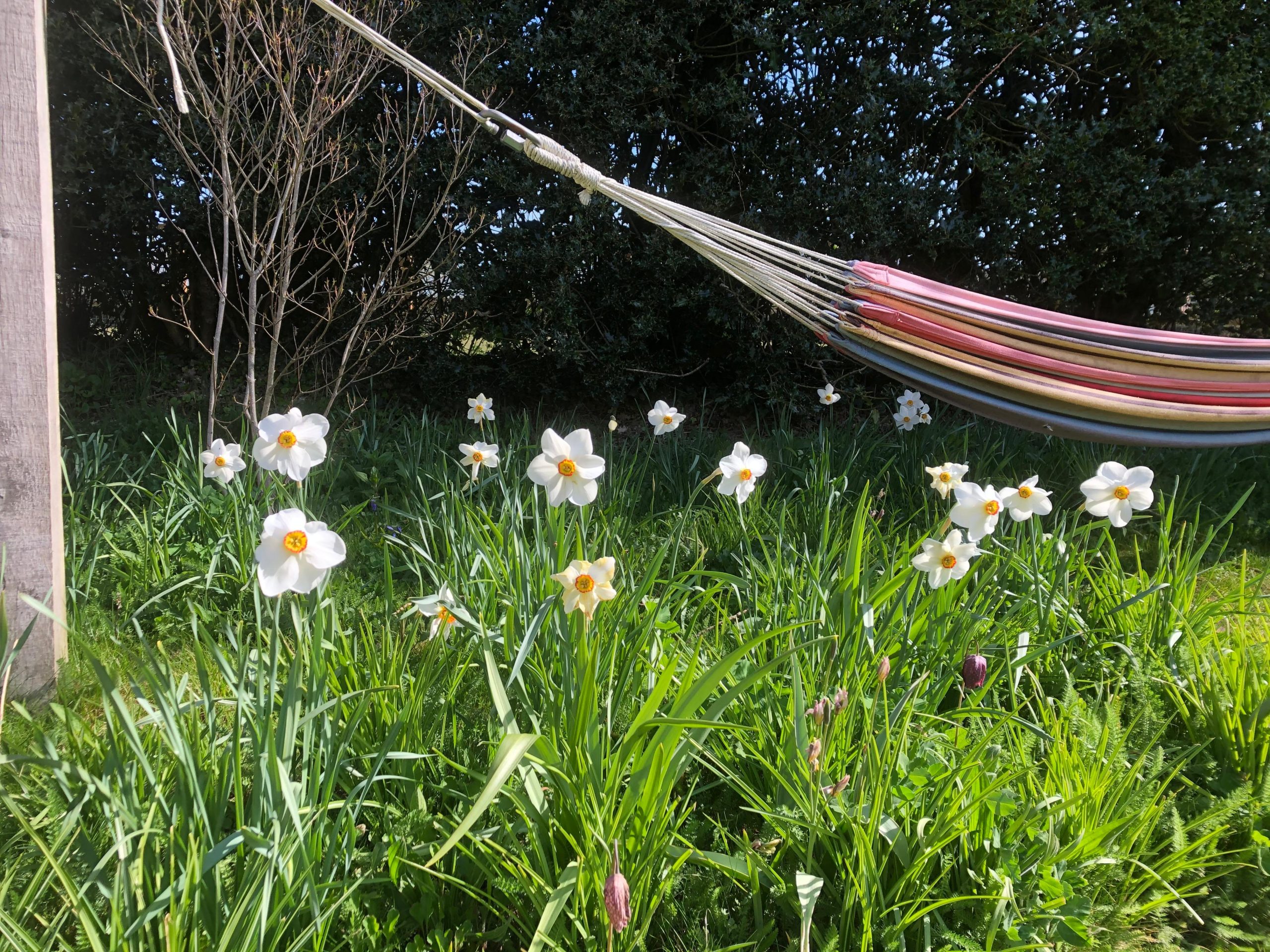
Creating a successful wildflower meadow requires more than simply scattering seed! Soil preparation, plant selection and thoughtful integration with the wider garden design are essential to long-term success. At The Garden Company, by combining ecological planting with thoughtful layout and skilled craftsmanship, we create meadow landscapes that feel natural, enduring and beautifully detailed. If you are considering a wildflower meadow as part of a wider garden design project, our team would be delighted to help you explore the possibilities.
Also, the UK is home to numerous public wildflower meadows that are open to visitors, offering you a chance to witness the beauty of such spaces.
Wildflower meadows in the Chilterns
Wildflower meadows are particularly well suited to the landscapes of the Chiltern Hills, where chalk soils and open countryside create ideal conditions for meadow planting.
We offer garden design services nationally and regularly instal wildflower meadow gardens across the Chilterns, Buckinghamshire, Hertfordshire and Bedfordshire. Every project begins with careful assessment of soil, light and drainage so that each meadow can thrive for years to come.
Wildflower meadow garden FAQs
How long does it take for a wildflower meadow to establish?
A seeded wildflower meadow typically takes two to three years to reach its full character and density. Wildflower turf provides a more immediate result, with plants already established.
Are wildflower meadows low maintenance?
Yes, compared with traditional lawns. Most meadows require only one main cut per year, with occasional additional management to maintain healthy plant diversity.
Can a wildflower meadow work in a small garden?
Absolutely. Even small meadow areas or borders can introduce seasonal colour, movement and valuable habitat for pollinators.
Do wildflower meadows attract bees and butterflies?
Yes. The mix of flowering plants provides nectar and pollen that support many pollinators, including bees, butterflies and other beneficial insects.
About The Garden Company
The Garden Company is a specialist garden design studio and landscaping business based near the Chilterns, creating bespoke outdoor spaces across Hertfordshire, Bedfordshire, Buckinghamshire and North London. Our award-winning work is rich in detail and shaped by years of experience designing landscapes that respond to both people and place. By combining creativity with horticultural expertise and thoughtful craftsmanship, we provide gardens that bring enduring value to our clients’ lives while contributing positively to the environment. View our recent residential design-and-build portfolio here.